At a glance
- raised against a $50,000 goal
- $221,843
- backers, Kickstarter, September 2017
- 1,425
- in one room in Cambridge
- 15 people
My first real job was designing how a robot spoke to a seven-year-old.
This was 2017. There was no system prompt and no playbook for what a language model should say to a child, or what it should refuse to say. A small team in Cambridge was wiring early language models together and hoping they held, and I sat with the engineers doing the wiring and wrote the rulebook for how the thing talked.
- My role
- One of the first designers at a fifteen-person startup. I led how the robot talked to a child: its voice, its personality, and the rules for what it could and could not say. I also owned product design, illustration, and motion.
- Timeframe
- 2017 to 2018 · Cambridge, MA · my first design job
- Where it shipped
- Kickstarter, September 2017.
- The one thing
- I wrote the rule the robot followed when it was not sure: stay warm, steer back to something safe, never guess.
The product
Fifteen people, one room, and a robot that had to hold a conversation
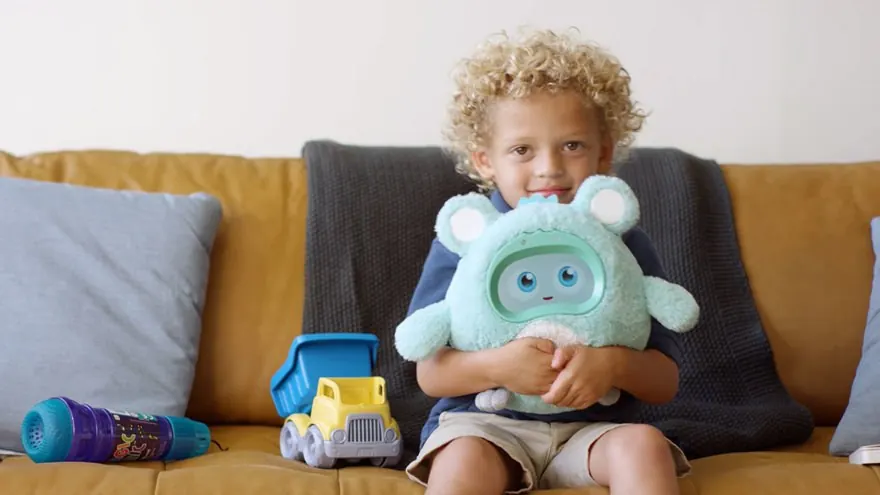
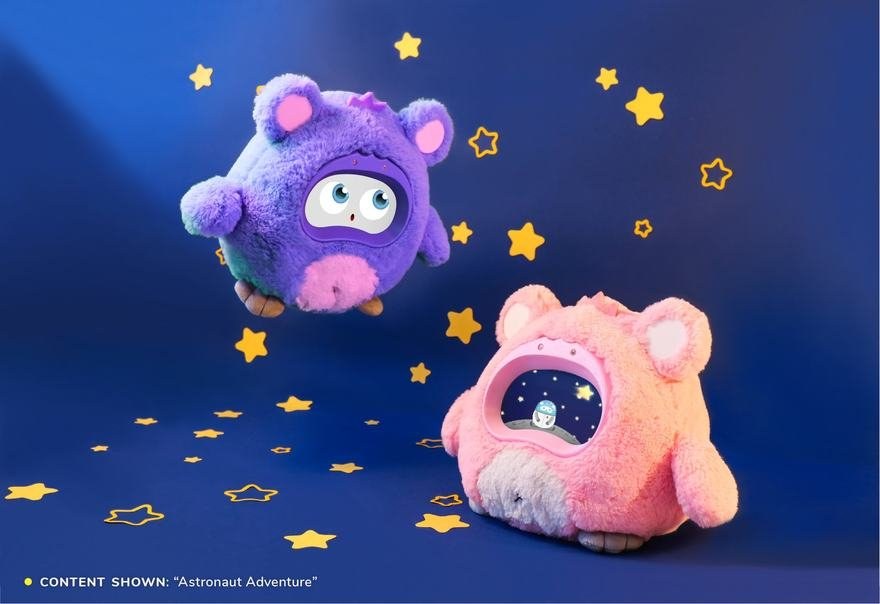
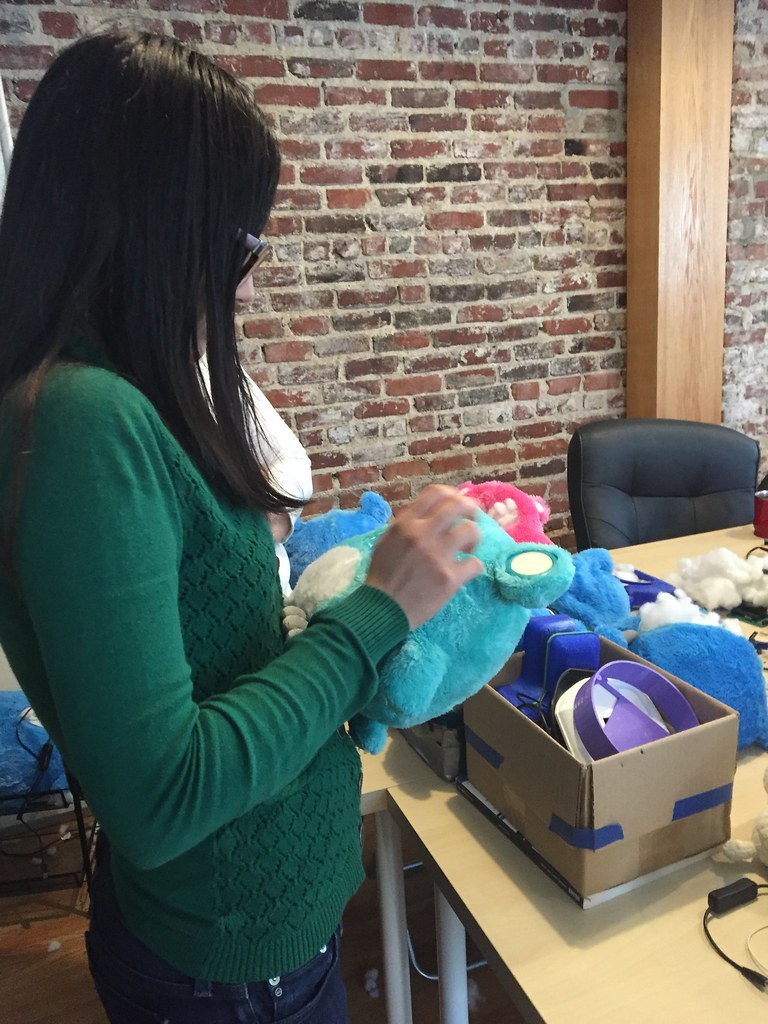
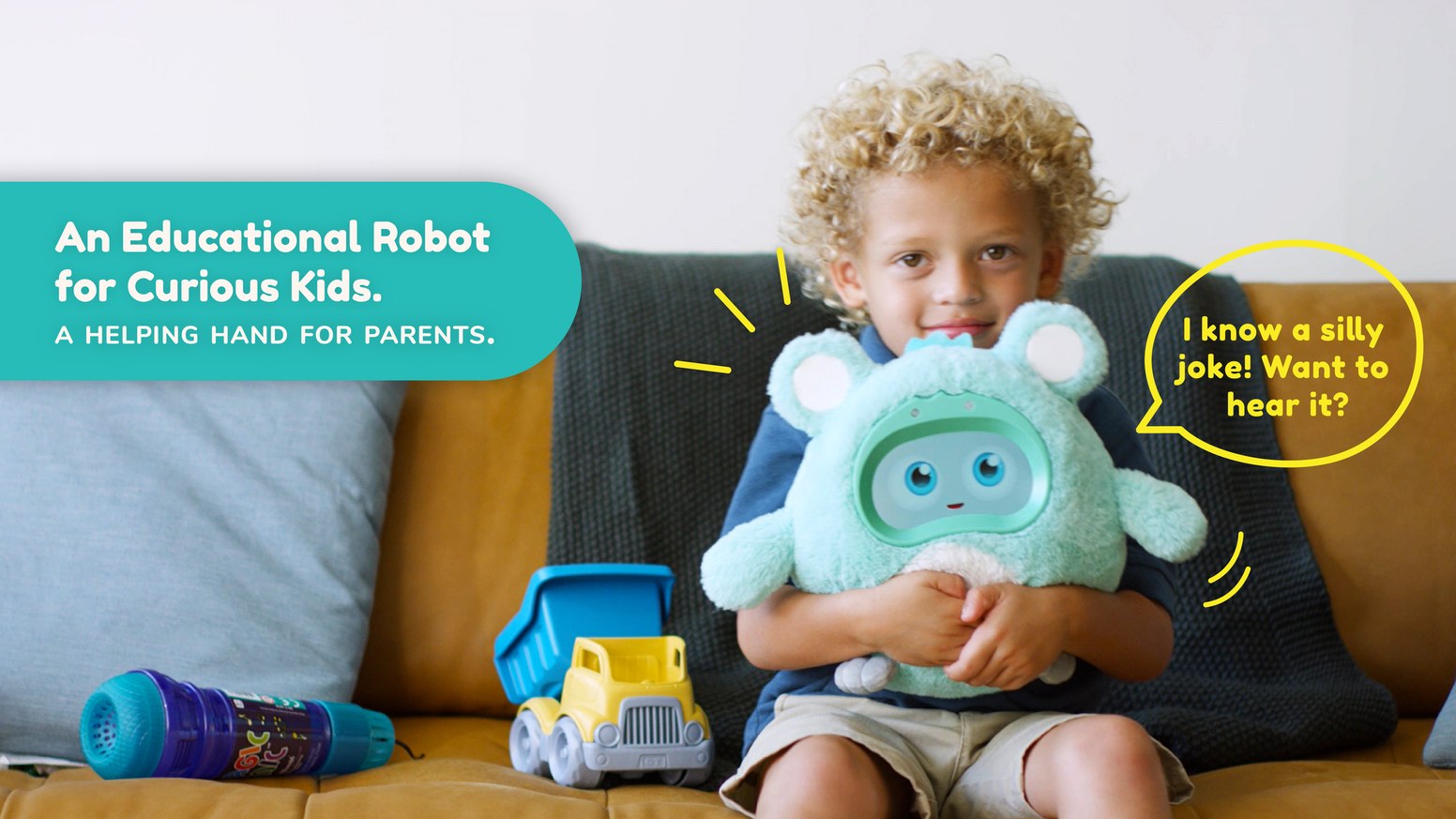
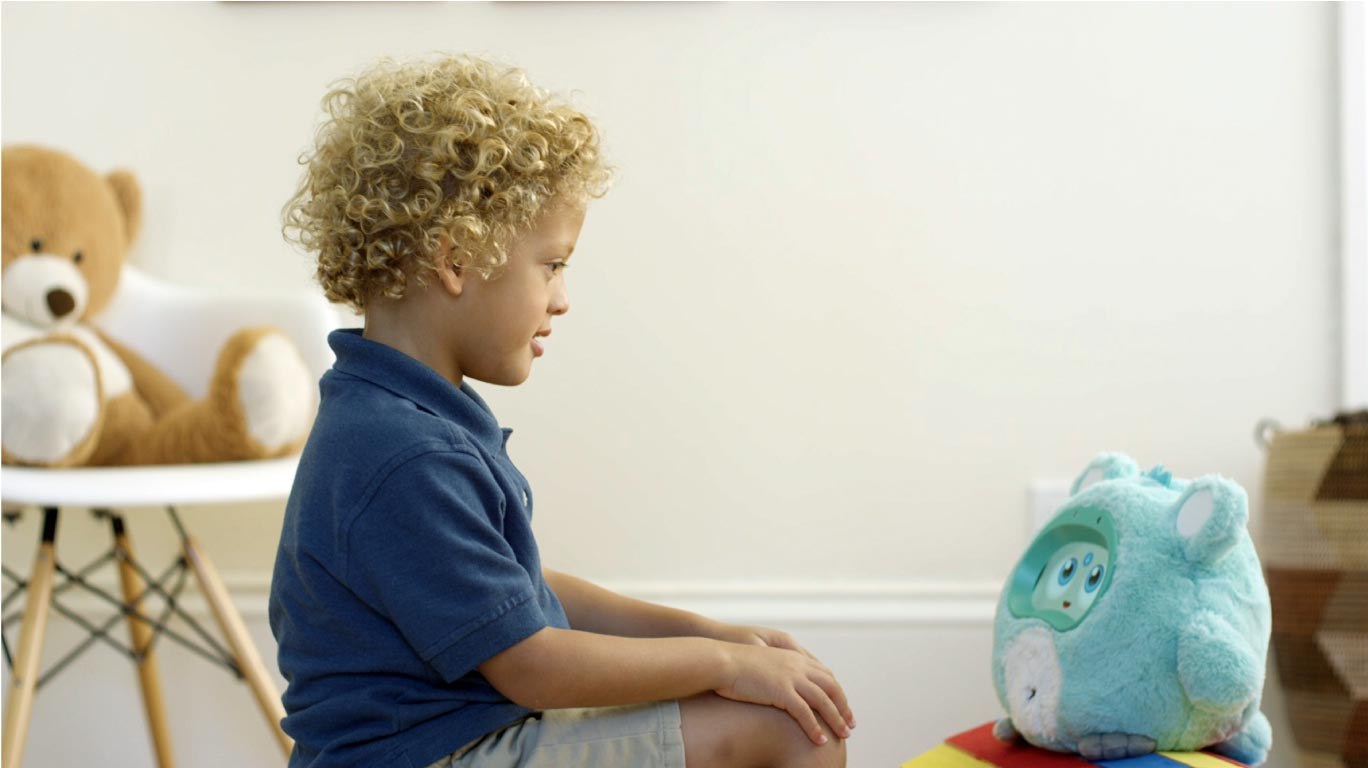
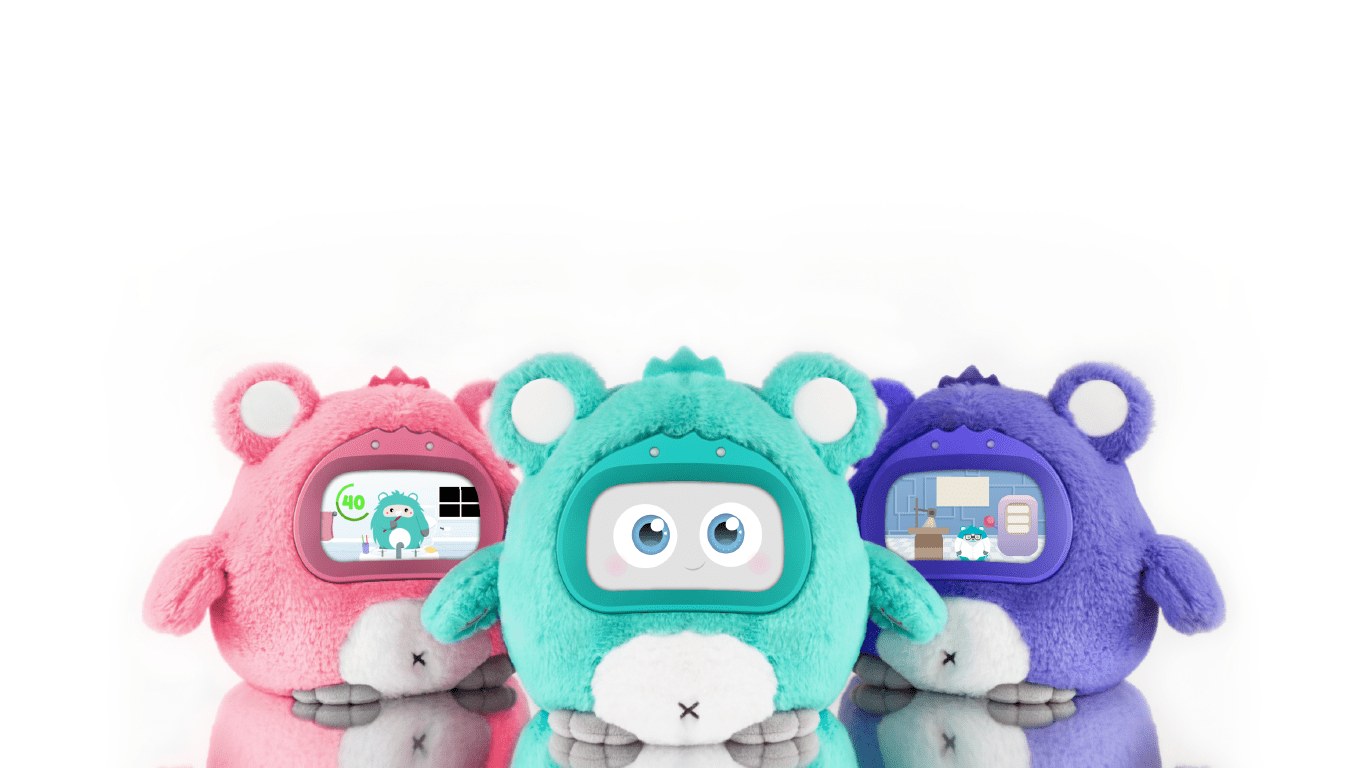
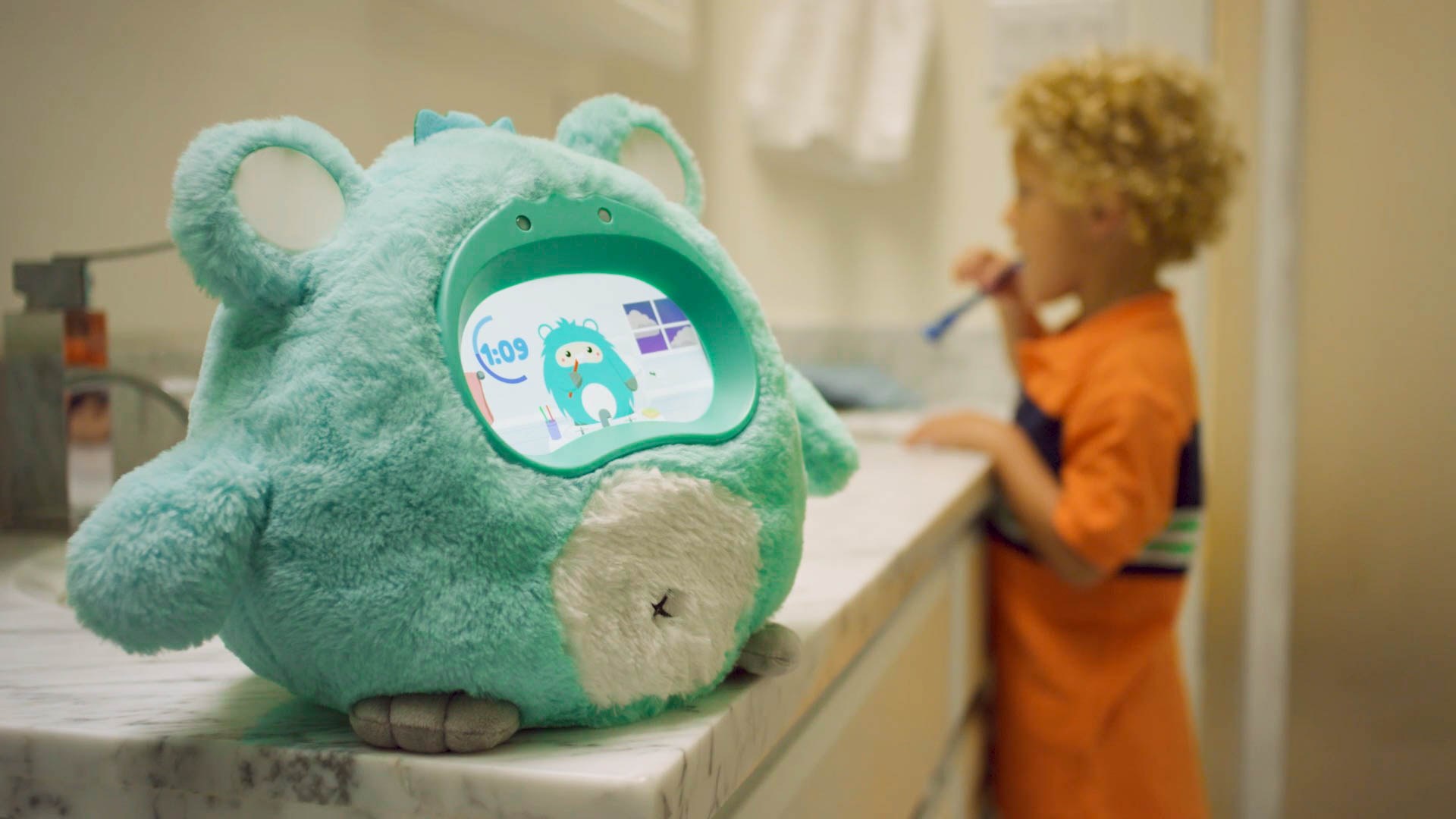
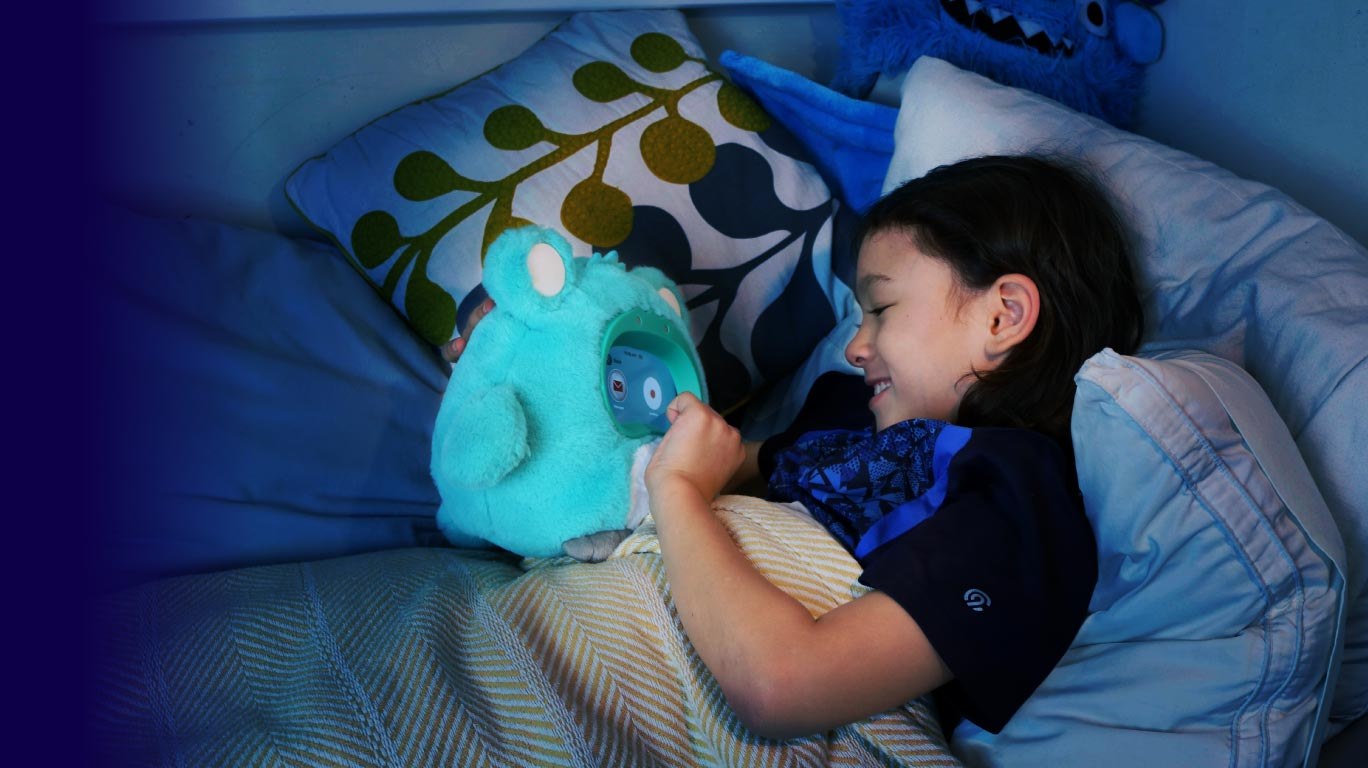
Woobo was a companion robot for kids: a soft, plush little thing, somewhere between a teddy bear and a tiny friend, with a screen for a face. Basically an iPad tucked into a plush body.
A child could ask it anything. Why is the sky blue. Tell me a story. Quiz me on my spelling.
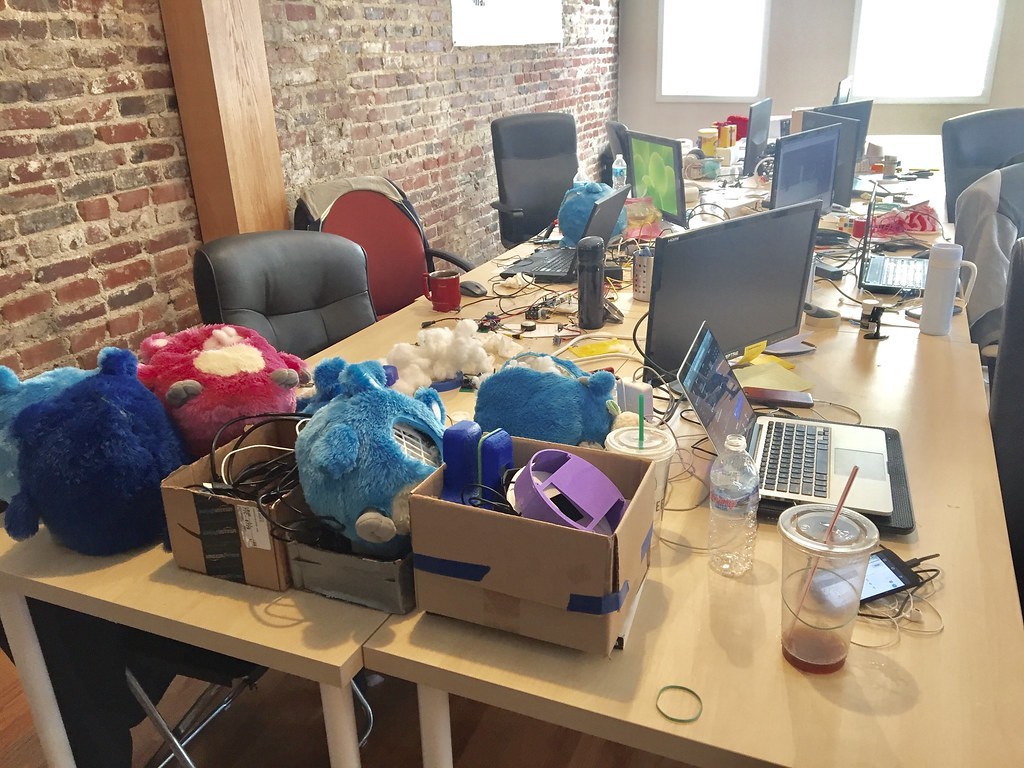
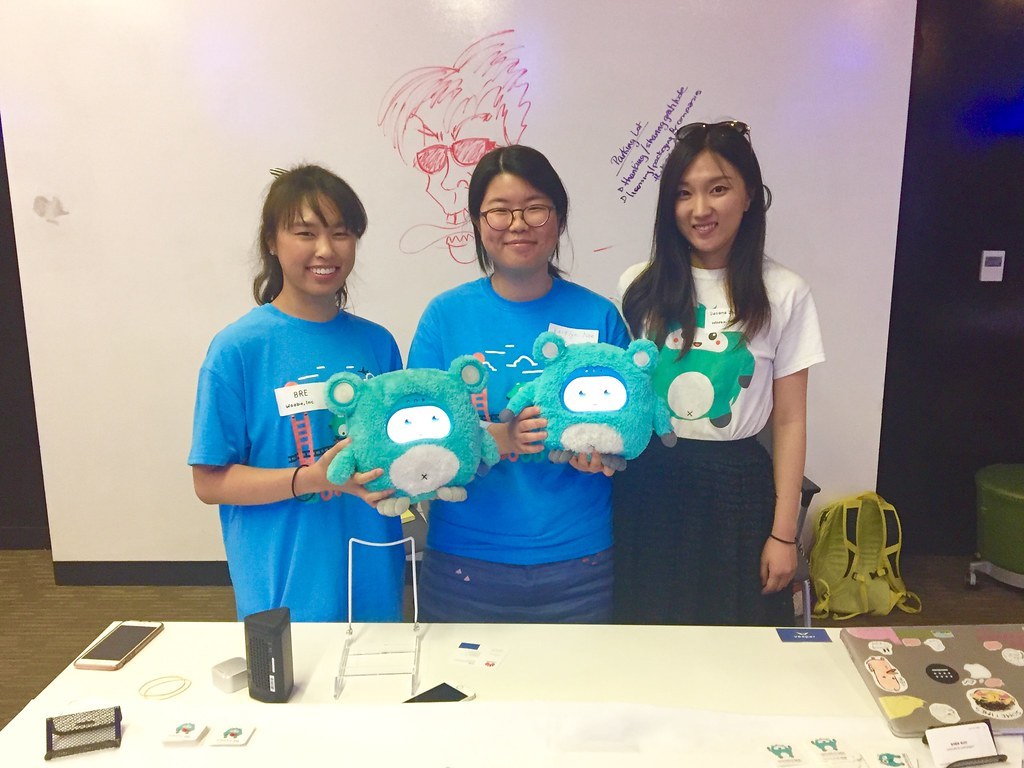
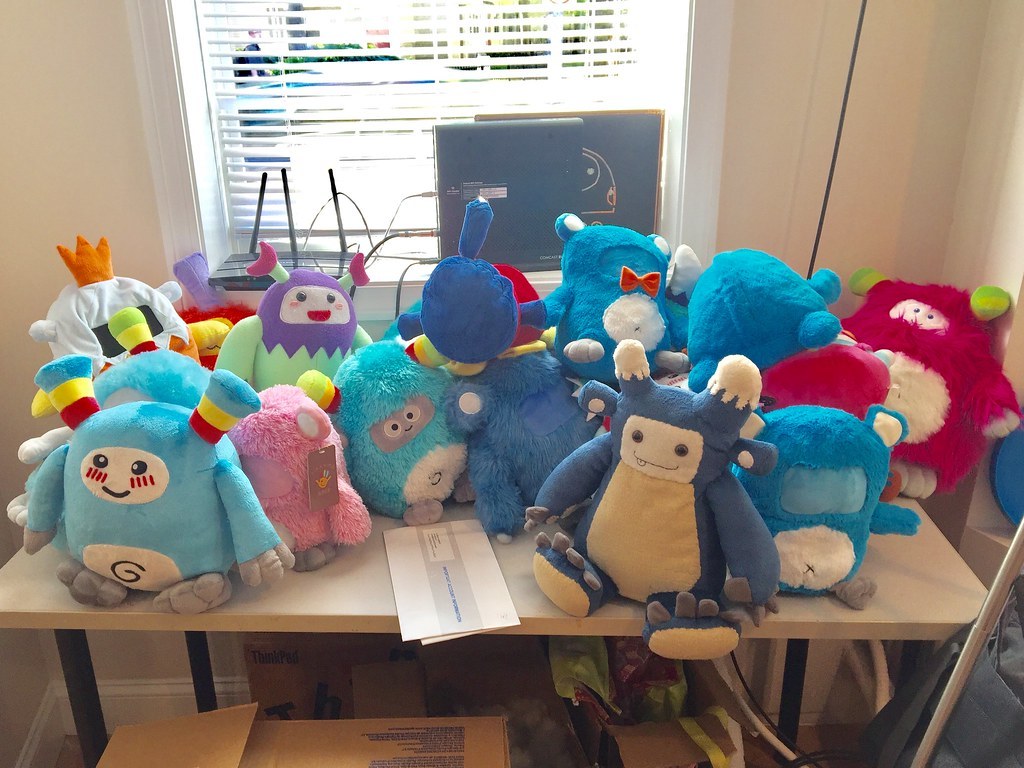
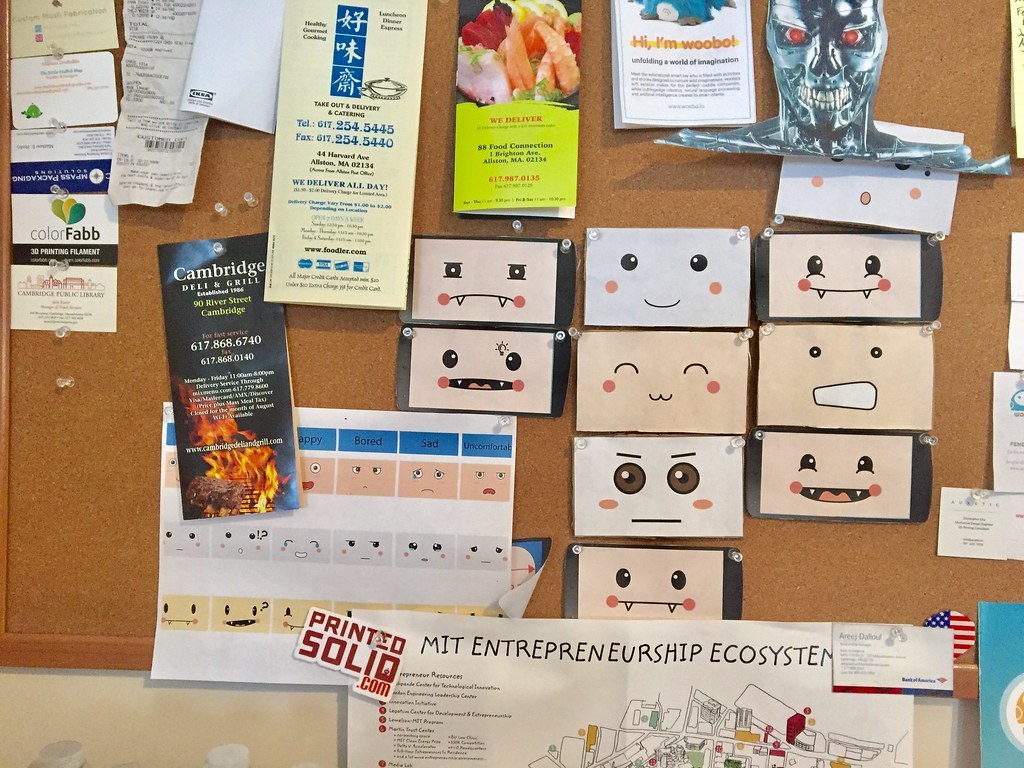
About fifteen of us built it, crammed into one room in Cambridge. Prototypes on every desk, stuffing on the floor, a corkboard of faces we were still arguing about.
The product was a conversation. Everything else was upholstery.
The moment
2017: a model that matched, guessed, and was often wrong
Getting a machine to hold a real back and forth with a child was right at the edge of what was possible in 2017. Nothing understood a child. It matched what she said to a list of things it knew how to answer, and the match was often wrong.
That is the environment the rules had to live in. A model that would not always know the answer, talking to a person who could not tell the difference between "I do not know" and a confident mistake.
The rules had to work when the model was wrong, because it would be.
Six yearsfrom Woobo to Gemini. I was writing the rules for what a machine should say to a child, six years before Gemini.
2017Woobo, summer
Nov 2022ChatGPT
Dec 2023Gemini
2026today
A robot that admits it doesn't know is a robot a parent can trust.
My role
My job: the voice, the personality, and the things it could never say
I was one of the first designers, so I did a bit of everything. Illustration, motion, the face on the screen, the app for parents. But most of all I led the design of how it talked to a kid.
That meant three things, defined up front and written down with the engineers:
- Voice. How it sounded. Warm, a little goofy, never sugary.
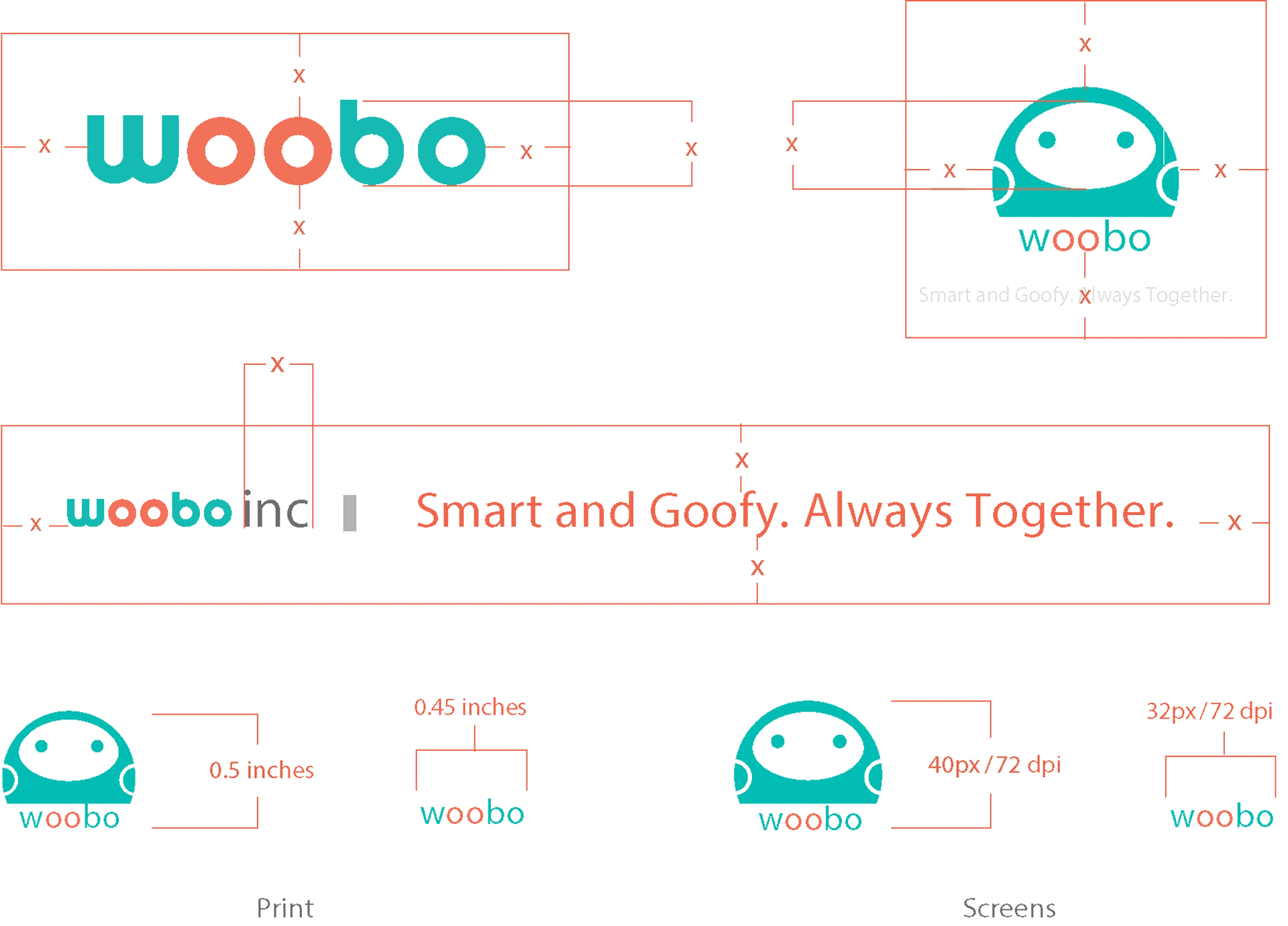
- Personality. A consistent character a child could predict. The brand line was "Smart and Goofy. Always Together."
- Boundaries. What it could and could not say, decided before it ever spoke to a child, not patched after.
Voice, character, and refusals were one system, and every state on the screen had to feel like the same character.
The stakes
The fear: one wrong sentence and a parent never trusts it again
A toy that talks can say the wrong thing to a child, and that is a primal fear for a parent.
Say something scary, or cold, or weird, and they would never trust it again. There is no second chance with a parent and no polite grace period with a kid.
The design problem was to make it safe to be wrong. Charming came second.
Trust with this user breaks once and does not come back. The system had to be designed around that.
The showstopper
The rule: when in doubt, stay warm, steer back to something safe, and never guess
I sat shoulder to shoulder with the engineers wiring up the language model, and together we wrote the rulebook for how it spoke. The personality was part of it. What I cared about most was what it does when it is not sure, because it would not always know the answer.
When the model did not know, it had two ways out. It could guess, and sound confident, and sometimes be wrong to a child. Or it could admit it, warmly, and hand the conversation back to something it knew how to do.
We chose the second path every time. The rule we landed on has stuck with me for eight years.
Today the field calls this abstention. In 2017 it was a sentence on a wall, and we held the engineers and the writers to it.
Admitting it costs a little charm. Guessing wrong costs the parent.
When in doubt, stay warm, and steer gently back to something safe, instead of guessing.
The rule we wrote in 2017. It still holds.
a child asks
→
not sure
→
guessconfident, sometimes wrong to a child
always this oneadmit it, stay warm, redirecthand the conversation back to something it knows how to do
The fork as we drew it. No transcript on purpose. I am not going to invent a child's words.
The method
The loop: write the rule, put it in front of kids, rewrite
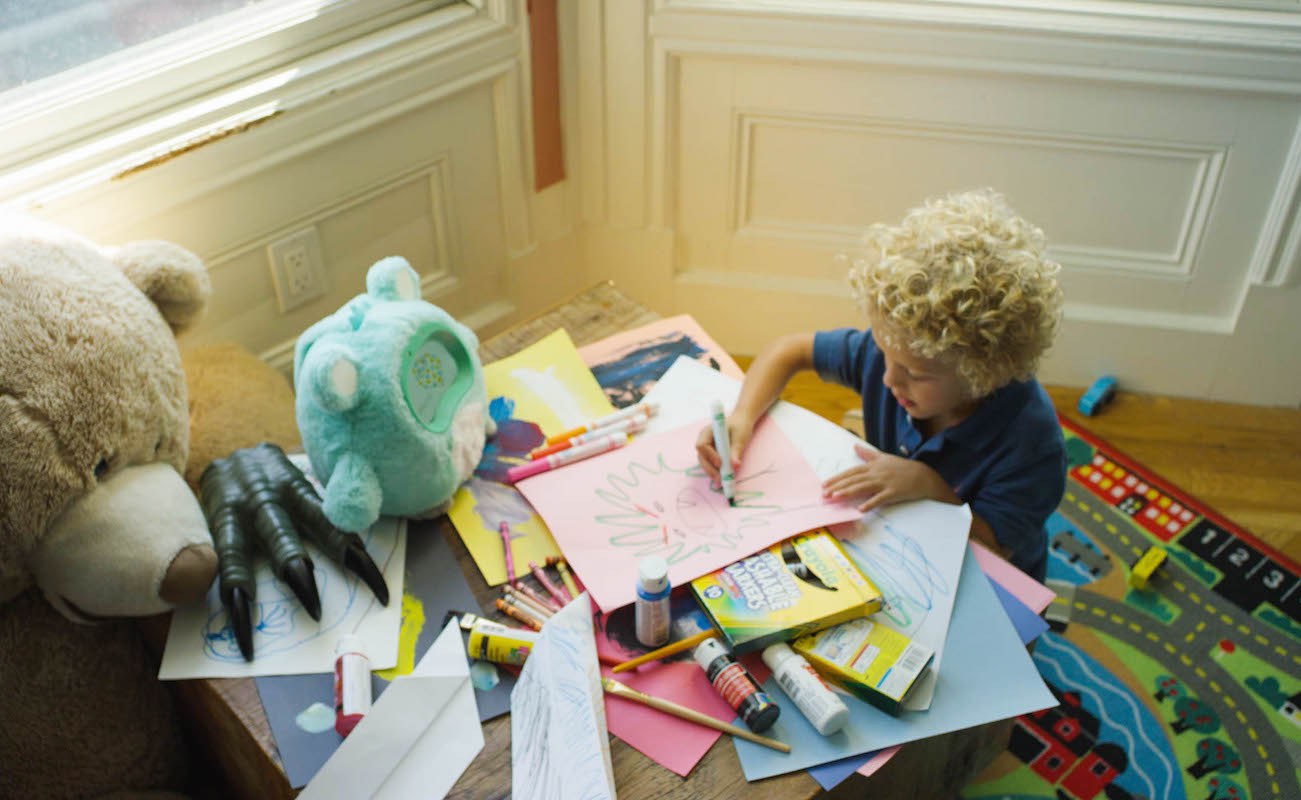
I did not figure that voice out in a document. I figured it out on the floor of our office, putting early versions in front of real kids and just watching.
Kids are merciless. One version was too flat and robotic, and they were bored in ten seconds. Another tried way too hard to be cute, and it read as fake, and you could watch a seven-year-old's face just quietly close off.
So I kept tuning, in front of real kids, until it hit that narrow little band where it felt like a friend instead of a performance. Nobody filled out a survey. I watched faces.
There was no grader in 2017. There was me on the floor, watching a face at second ten.
a friend, not a performance
too flat“Correct. The sky is blue.”
too cute“OH MY GOSH, you are my BEST FRIEND EVER!!”
“Ooh, good one. Want a harder one?”
You could watch a kid's face just quietly close off.
The result
Parents backed it at four times the goal
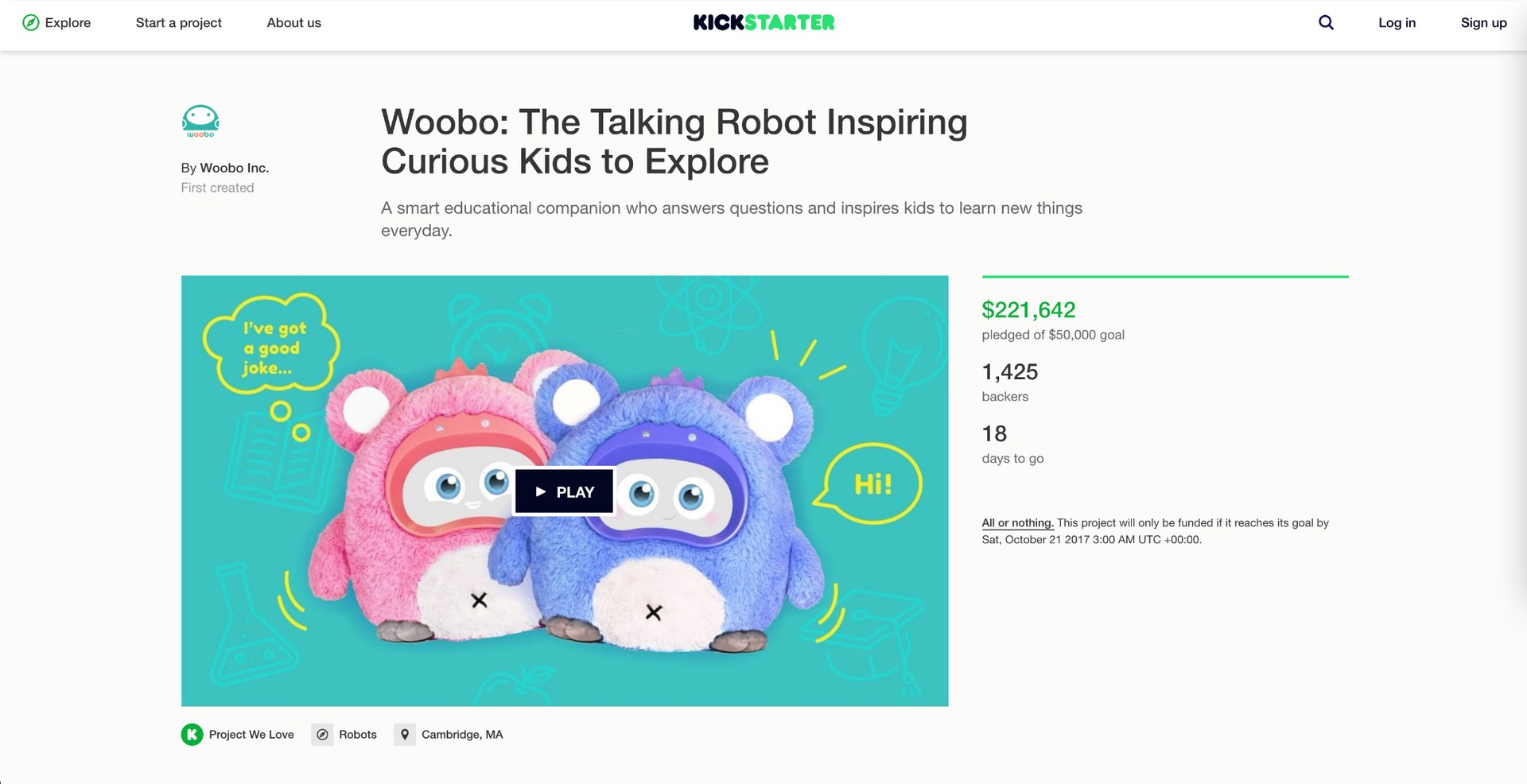
We launched on Kickstarter in September 2017 with a fifty-thousand-dollar goal and blew past it. The campaign closed at $221,843 from 1,425 backers, more than four times what we asked for.
The number got us to ship. Trust still had to be earned one conversation at a time.
The lesson
What kids taught me about trust
Kids can tell in about two seconds when something is fake, and the second they do, you have lost them. That gave me the question I have been chasing ever since. When should a machine speak, and how does it earn a person's trust.
Parents will trust a machine with their kid, but only if it earns that trust first, and never before.
The thread to today
The same question, eight years later
Woobo was the first time the thing talking to the user was the whole product.
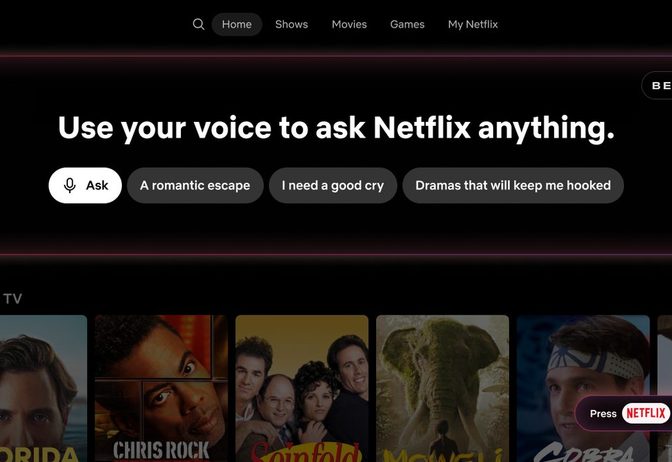
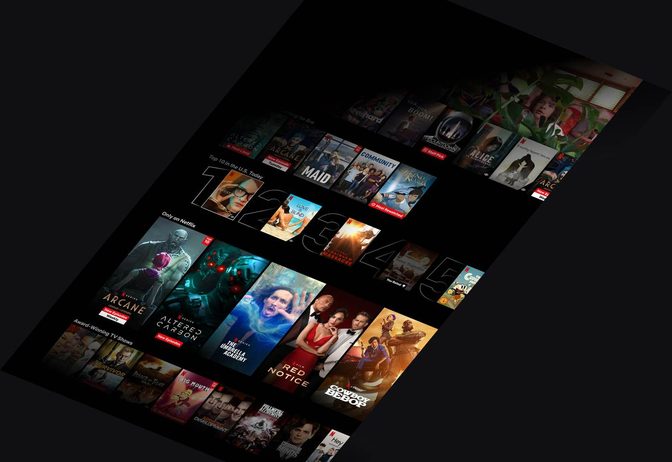
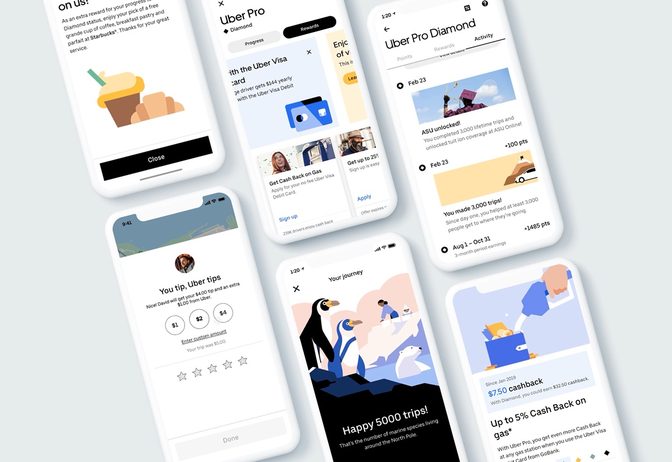
Everything I have done since has been the same question at a bigger scale. At Uber it was when the app should ask a rider for something and when it should wait. At Netflix it was the first AI-written words the service put in front of members, and the evaluation system that decided whether a line was good enough to show, or whether to show nothing. The assistant I built for my own life runs on the rule I wrote for a plush robot in 2017: when it is not sure, it says so, warmly, and it does not guess.
The technology has changed three times since. I am still working on the same question.